What is the endo empowerment project?
To change how endometriosis is understood, experienced and talked about — by putting the people who live with it at the centre.
The project isn't simply about raising awareness.
It's about empowerment through visibility, knowledge, advocacy and collective action.
Why does it exist?
To change how endometriosis is understood, experienced and talked about — by putting the people who live with it at the centre.
The project isn't simply about raising awareness.
It's about empowerment through visibility, knowledge, advocacy and collective action.
The Four Pillars of The Endo Empowerment Project
UNDERSTAND
Empower people to understand endometriosis, adenomyosis and the diversity of people they affect.
This could mean:
education
lived experience
research
myth-busting
symptom awareness
showing different experiences and identities
ADVOCATE
Empower people to advocate for themselves and for others
This could mean:
healthcare advocacy
knowing your rights
giving people language to describe their experiences
encouraging collective advocacy
amplifying marginalised voices
Understand
Advocate
Challenge
Reclaim
CHALLENGE
Challenge the stigma, misconceptions and dismissal surrounding endometriosis.
This is where the project gets provocative.
Challenge:
"It's just a bad period."
stereotypes about who gets endometriosis
medical dismissal
misconceptions around pain
the idea that endometriosis has one "look"
RECLAIM
Empower people to reclaim their bodies, their stories and their visibility.
This is particularly powerful for Now You See Me.
It can encompass:
body autonomy
sexuality and identity
changing the narrative around illness
telling your story on your terms
being visible without being defined by illness
About the founder
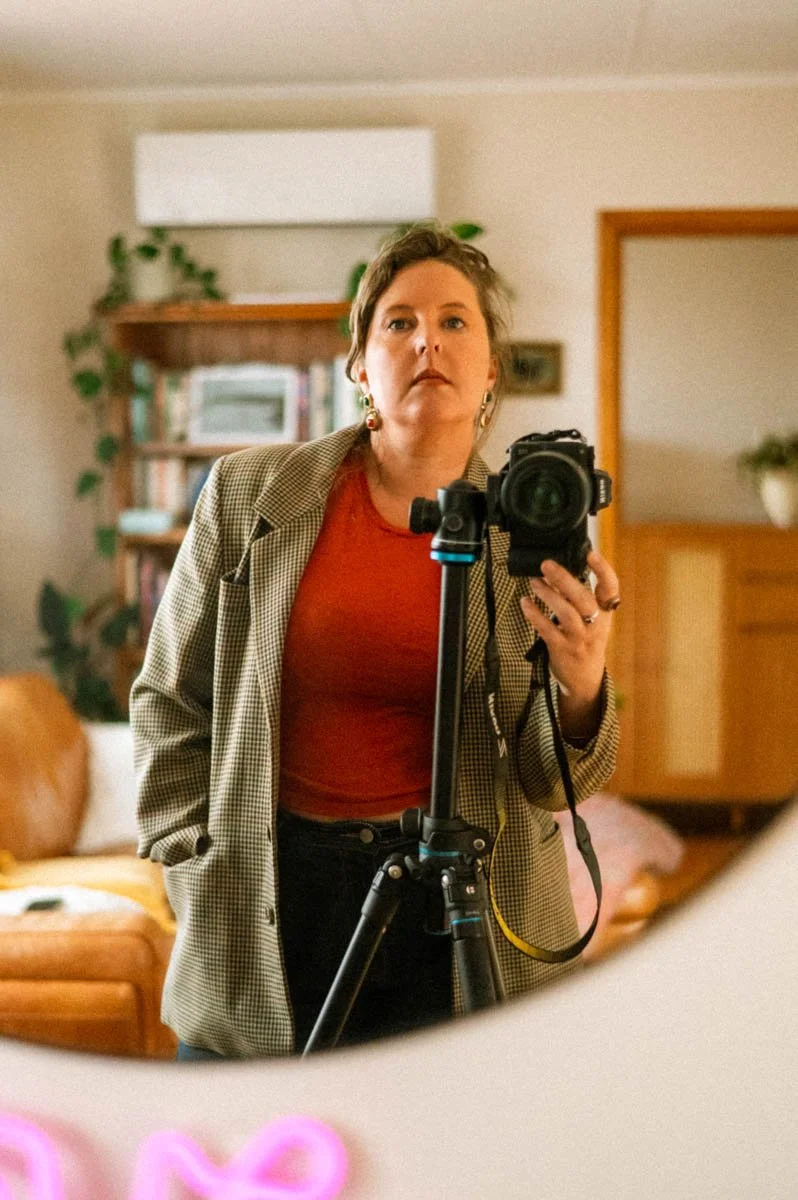
Ainsley is an empowerment portrait photographer, visual storyteller and health advocate whose work sits at the intersection of art, advocacy and community care.
With more than a decade of experience through Ainsley DS Creative, Ainsley creates human-centred imagery grounded in relationship, trust and manaakitanga.
Living with endometriosis herself, she created Now You See Me to make the invisible visible, challenge narrow representations and ensure diverse experiences are seen, heard and valued.