
Alex
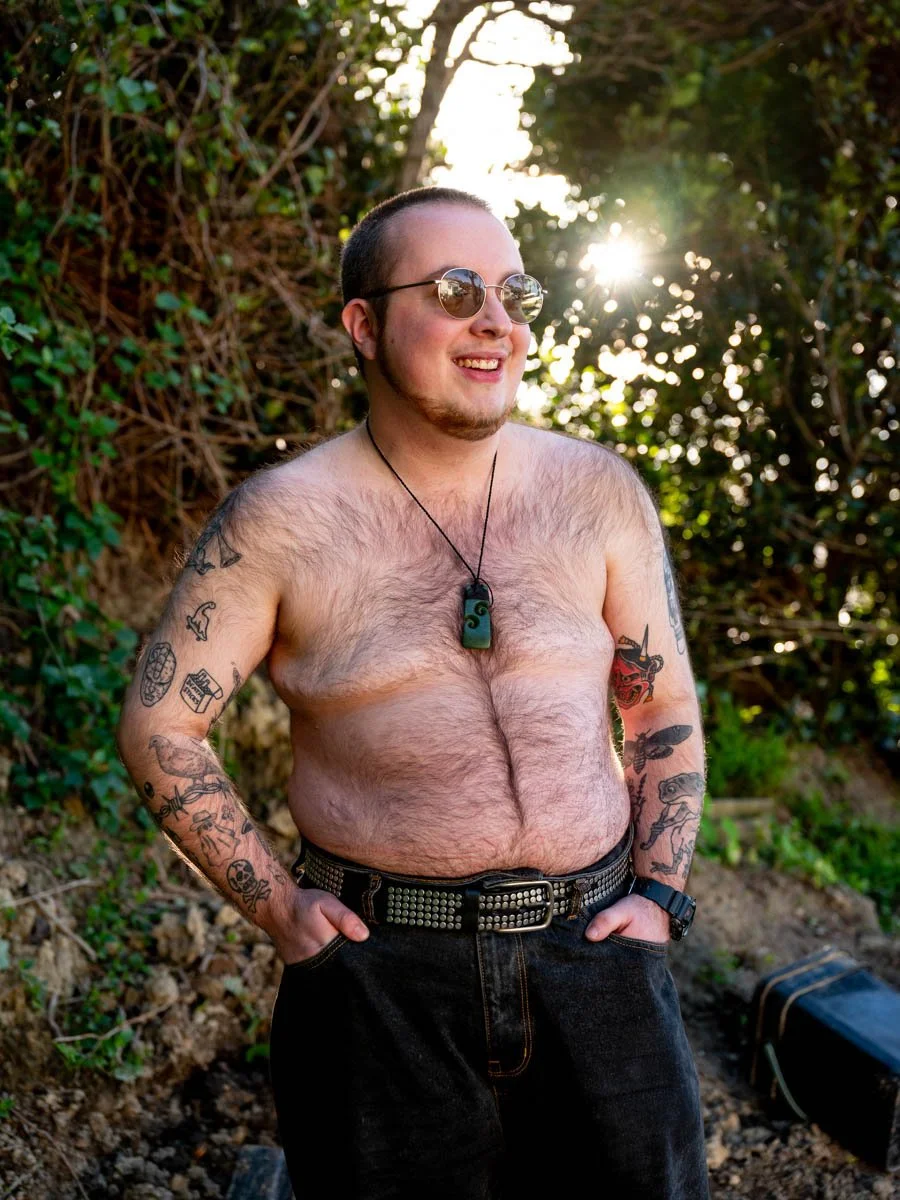
Alex, 24, Wellington
Listen to Alex’s Story
Read Alex’s Story
Always had irregular, painful, heavy periods, even from 12 when, like, I started. Would affect how many days I could do at school a week. Affected my extracurriculars, but every time, like, I would say, "Oh yeah, this is bothering me," I would be hit with the, "Oh, no, no, it's normal, it's normal. Oh yeah, it's fine. You're overreacting. Oh, it can't be that bad. Uh, once you get older, it'll sort itself out—and it'll settle down." And it's like, "Ha ha, not really."
And then it got worse as I got into high school. It was really affecting my attendance. I've lost count of the amount of times I had to leave school early because of it. And so I went to my GP at the university health center, explained to him that, "I have a family history of endometriosis. Would I be able to be referred to a gynecologist?" And the GP was like, "Absolutely."
Basically left it to me to do the research for the gynecologist because of me being trans. He was just like, "I want you to sort it out because, at the end of the day, this is going to be an entirely different—way of approaching it—given the fact that you're trans—and you're on testosterone—and you're very male-presenting."
So recommended me the current gynecologist I have. She was recommended to me because she's had patients with very similar situation to me. And I was a little bit nervous about going into that appointment because of, I had the beard at the time, and looked very much like a man. And so I was, like, panicking—'cause I already was having ladies stare at me for being there.
But thankfully, I'd brought Edward along, and they're, like, early on in their transition, so I basically was just like: "Hey, Edward, can you come with me? And then if, and then if people stare at me, I can just say it's you."
As soon as I sat down, she approached me and didn't assume that Edward was the person being seen. And it's 'cause she's, 'cause she actually had read the notes. And I was kind of taken aback—'cause I was half expecting it to be like she turned to Edward and asked. But no, she was just like, "I'm assuming you're Alex." And I'm like, "Yeah, that, that's me."
End of January the following year, I had the laparoscopy where they found endo. And it was in, like, the pouch of Douglas and, it was splattered all over across my abdominal cavity, basically. But because of being on the testosterone and at the time the Depo-Provera injections—it actually calcified some of the endo tissue, so it wasn't bothersome.
So it turns out that the testosterone and Depo combo that I had, because the testosterone basically lowers the amount of estrogen—some of the endo kind of just like calcified and wasn't as problematic. But it, but it was more, I think it was more of a pain in the ass to remove though—because it kind of like adhered. She said that if it wasn't for the Depo and testosterone, I probably would have had to remove a lot more.
One thing that I found that's really worked for my endo pain is medicinal cannabis. The main reason why I was like, "I need to go the medical cannabis route," was because I'm not a big fan of how opioids make me feel. That and also the opioid constipation's not it.
I have been on medical cannabis for a couple of years—and it's just, it's worked wonders. Not only does it help like pain and discomfort, it also just kinda gets my brain to like shut up and calm down so I can fall asleep, and so that's what I've found that has really helped it.
One of the myths I absolutely despise is the, "Oh, if you have a kid, it'll sort out your endo," And I'm like, "Nope, that's not the case." My mother has three children and still had issues and had to get a hysterectomy and, but because she'd had, like, three kids and wasn't planning on having any more... they were just like, "That's all good. You've had, you've had kids. We'll, we'll sort it."
Which I just wish wasn't, the reason, if you know what I mean? Why are they so obsessed with preserving fertility over the comfort—of the person—who's dealing with it? And it just, it just baffles me, and the stigma around it is actually really damaging because a lot of people are gonna be deterred from wanting to go get it looked at because it's like, "Oh, but what if I'm just told this, this, and this?" "Or I need to try this, this, and this and not really get answers."
I—I that's why I think most of the myths need... Well, all of the myths need to basically just be, like, snuffed out and actual research because this is a really under-researched condition. And it just needs more... it needs more love and care. But, like, in a medical sense—and I wish there was more resources available to tell and show people that this is what it actually is. This is what it entails. It affects a lot more people—than everyone thinks.
A lot of girls at high school, we all had like similar-ish issues. But we were just, again, all told that, "Oh, it's fine. It's because you guys—" "are still young." And it's just, can you just quit using my age as an excuse and actually investigate?
A lot of people aren't big fans of medical settings, so it's very stress-inducing, anxiety-inducing, and all that. A lot of people actually tend to forget that you are entitled to a chaperone for any medical appointment, and having that extra person there is just so great because, if you're trying to get as much out as you can—and you forget one or two things—you've got the person who's been, "Oh, but also weren't you having issues with this and this too?"
It's more complex than what everyone makes it out to be. It's not just painful periods and painful cramps and heavy bleeding. It's fatigue. It's like, body aches and pains. It's exhausting. It's debilitating. There's a lot more to it—than just what everyone portrays it as.
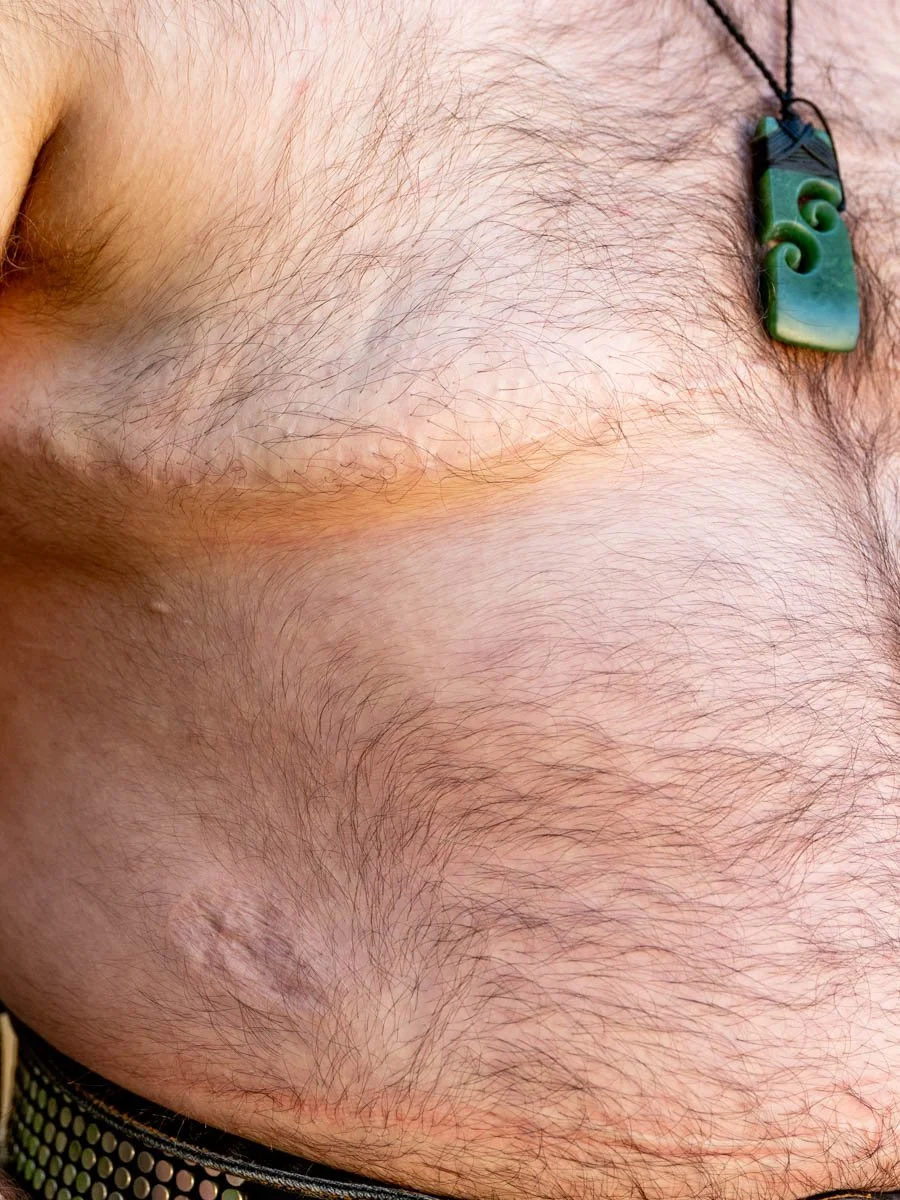
A close up of Alex’s Scars